
Follicles from the scalp used to fill thin patches or sharpen the outline of a beard, designed around the shape of your face and how your hair grows.
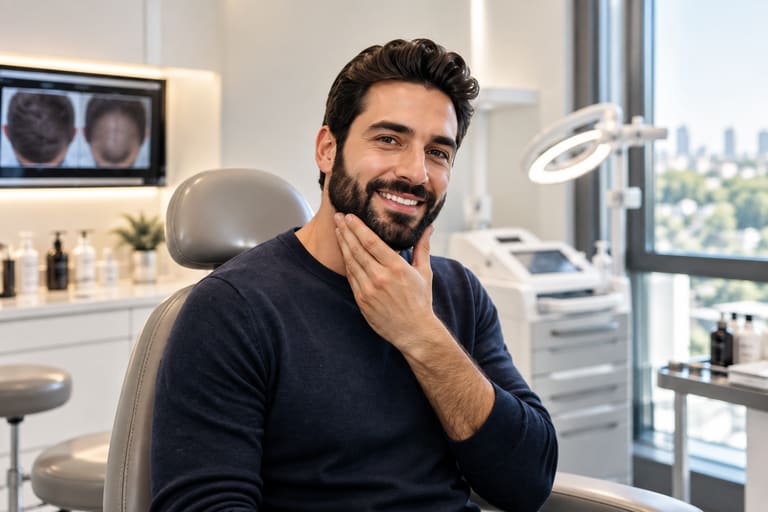
In a beard transplant, follicles are moved, normally from the back of the scalp, to parts of the face where the beard is thin or missing, such as the cheeks, the jawline or around the moustache and chin.
Facial hair grows at steep angles and changes direction from one area to the next, so placing it takes precision. Single hairs are often used along the edges to give a soft, natural border, with slightly larger grafts where the beard should look thicker.
This is general guidance. The clinician who treats you decides whether a treatment fits, after looking at your photos and medical history and, if needed, examining you in person.
You send photos of your face and current beard from several angles, together with your donor area.
The surgeon marks the planned outline with you, taking into account the proportions of your face and how you like to wear your beard.
Under local anaesthetic, grafts are removed one by one from the donor area.
Grafts are set in the natural direction of facial hair, with single hairs along the edges.
You learn how to clean the area and when you can shave or trim again, usually after about ten days.
The scalp may feel tight, the forehead or eyes can swell a little and tiny scabs form around the grafts. You sleep with your head propped up, and the clinic shows you the first gentle wash, normally the morning after.
With careful washing the scabs loosen and fall away, and any redness slowly settles. Many people are back at a desk by now; physical work may need a little longer.
Most of the transplanted hairs fall out. This is normal: the follicles remain under the skin and rest for a while before growing again.
New hairs begin to come through, usually fine and patchy to start with, then thickening over the following months.
The outcome is usually judged at about a year. The crown often takes longer to fill in than the hairline.
Everyone heals at their own pace, and the instructions from your clinic always come first.
Once healed it usually grows and can be shaved or trimmed like the rest of your beard. Because it comes from the scalp, the texture may be slightly different.
Clinics usually advise waiting about ten days before shaving the treated area. Follow the instructions you are given.
Plan on about three nights for most graft procedures: one for arrival and checks, one for the procedure, and a check-up with the first wash before your flight. Your coordinator sets the final schedule once the clinic confirms the date.
The price follows the plan your surgeon proposes after reviewing your case, mostly the size of the area and the technique. You get an itemised quote in writing before any booking, and you are not committed to go ahead.
Beard Transplant is priced individually after a specialist reviews your case. You receive a written, itemised quote before anything is booked.
From your first message to care after you are home, in eight clear stages for patients travelling in.
Step 1 / 8
Share what you would like to treat, your health background and when you hope to travel, using a short form or a message.
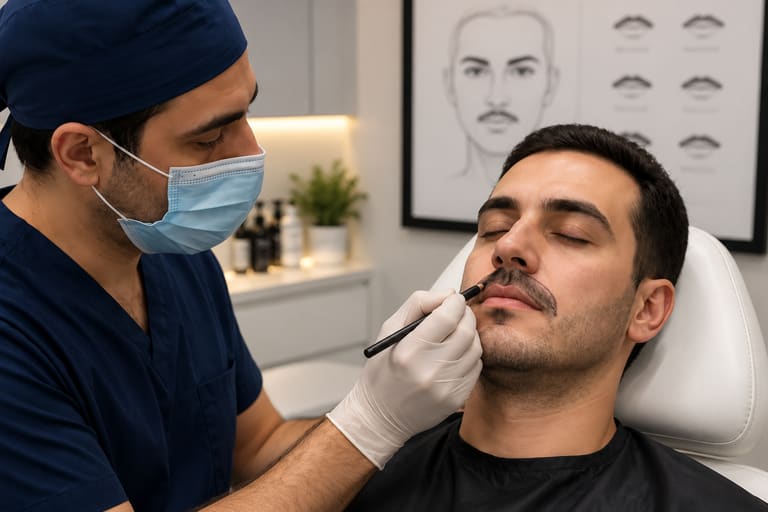
A small, precise transplant to fill gaps in a moustache or give it a new shape, with each graft set at the angle facial hair needs.
View treatment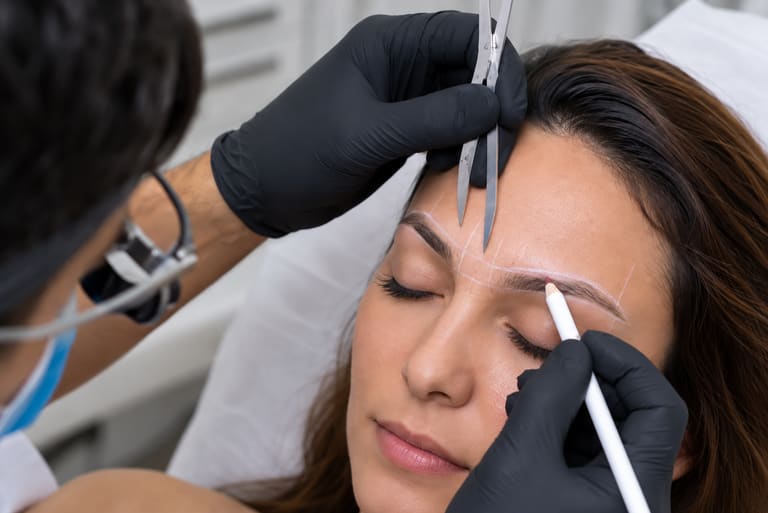
Single-hair grafts used to rebuild or reshape the eyebrows, laid almost flat to follow the way brow hair naturally grows.
View treatment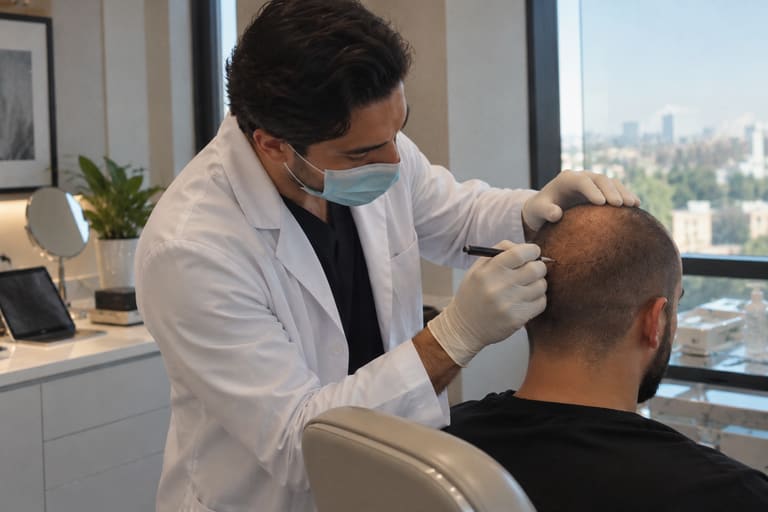
FUE in which the openings for the grafts are made with fine sapphire-tipped blades rather than steel ones.
View treatmentSend your details and your coordinator will explain what comes next. You are free to stop at any point.
This page is general information, not medical advice; a treating clinician confirms your plan after assessment. ELAVIA Global coordinates care; clinical evaluation and treatment are delivered by independent, licensed partner facilities and their specialists.
ELAVIA Global coordinates international patient care. Clinical services are delivered by independently operated facilities.