
Botulinum toxin to soften lines in suitable areas of the face, planned once you have been seen in person.
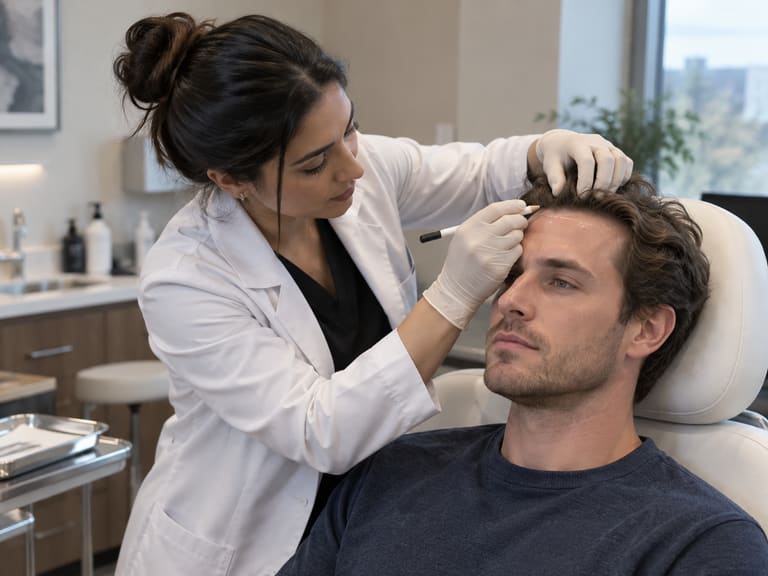
Botox is the best-known brand of botulinum toxin type A, a purified protein that relaxes the muscle it is injected into for a few months. On the face it is used mainly to soften lines that come from expression: the frown between the brows, lines across the forehead and crow’s feet beside the eyes.
It acts on lines made by movement, not on lines that show when your face is still, nor on lost volume. With careful dosing it calms an expression without freezing it. Other uses, such as easing a clenched jaw or heavy sweating, are judged on their own.
Take this as a general guide. Whether the treatment suits you is for the clinician to decide, once they have seen you in person and checked your medical history and the medicines you take.
You send photos and a few lines about what bothers you. The clinician tells you which options might help and which probably would not.
The clinician examines your face and skin, goes over your medical history and explains what to expect, where the limits are and what the risks are, before you agree to anything.
While you frown, raise your brows and smile, the clinician marks where to inject, then gives small doses with a very fine needle. Numbing is rarely necessary.
You get written aftercare advice and someone to contact with questions. Depending on how long you stay, the review happens in person or by photo.
Do not touch or rub the treated area unless you are told to, and leave out make-up, alcohol, hard exercise, saunas and hot baths.
Keep upright: do not lie down, bend over for long or press on the treated skin.
The effect appears after a few days and peaks at about two weeks, which is when any small touch-up is considered.
The muscles slowly start moving again. Treatment can be repeated, normally no sooner than three months apart.
Everyone heals at their own pace, and the instructions from your clinic always come first.
Not when the dose and injection points are chosen to keep natural movement. The goal is softer lines with your expressions intact, and the clinician can tell you how much movement to expect.
Normally after three to five days, with the full effect at about two weeks.
Flying is generally fine after this treatment, though most clinicians advise staying upright for the first few hours and not pressing on the treated area. Follow what you are told on the day.
Most injections and skin treatments fit into one appointment, but staying close by for a day or two afterwards means the clinic can see you if anything unexpected happens. Your coordinator confirms the timings and explains how the follow-up will work once you are home.
It follows the plan the clinician suggests after seeing you: which areas are treated, how much product is used and how many sessions are needed. You get a written quote before you book, and you are free to say no.
Botox is priced individually after a specialist reviews your case. You receive a written, itemised quote before anything is booked.
From your first message to care after you are home, in eight clear stages for patients travelling in.
Step 1 / 8
Share what you would like to treat, your health background and when you hope to travel, using a short form or a message.
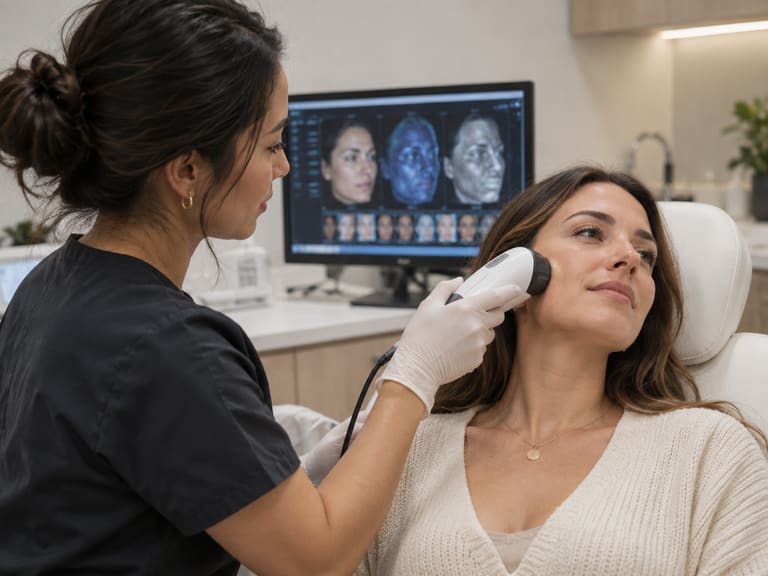
A facial plan without surgery that can bring together suitable injections and skin treatments.
View treatment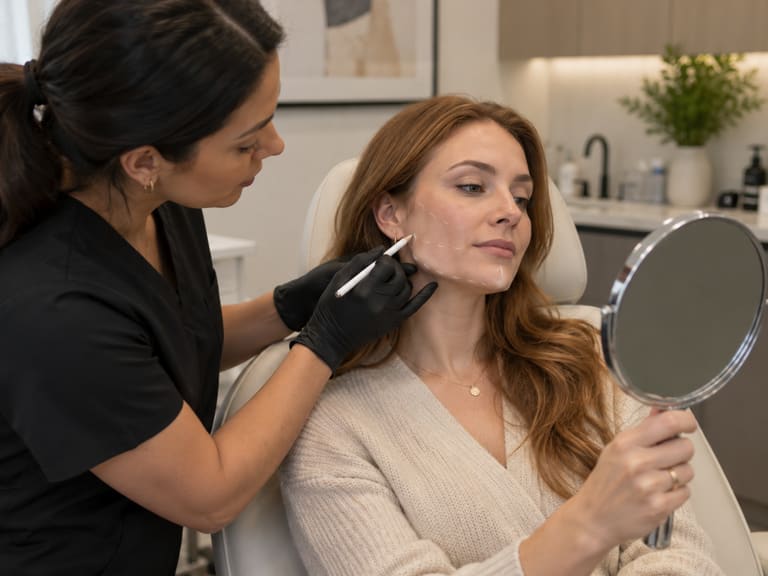
Hyaluronic acid or other suitable fillers to restore volume, planned after an examination.
View treatment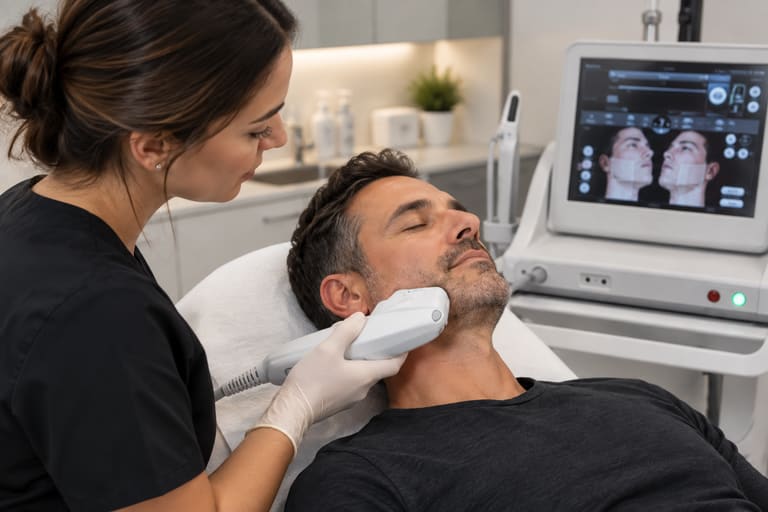
A conversation about lifting without surgery; it can help, but it is not a guaranteed alternative to a facelift.
View treatmentSend your details and your coordinator will explain what comes next. You are free to stop at any point.
This page is general information, not medical advice; a treating clinician confirms your plan after assessment. ELAVIA Global coordinates care; clinical evaluation and treatment are delivered by independent, licensed partner facilities and their specialists.
ELAVIA Global coordinates international patient care. Clinical services are delivered by independently operated facilities.