
Tooth-coloured resin shaped onto the teeth to mend chips, close small gaps or refine their shape; quicker than porcelain, though it does not last as long.

Composite veneers are made straight onto the tooth: the dentist layers tooth-coloured resin, sculpts it by hand and polishes it. They can mend chips, close narrow gaps and improve shape and colour, normally in one appointment for each tooth.
As the resin is added rather than the tooth being cut back, little or no enamel may have to go, so more options stay open later on. The price of that is durability: composite picks up stains and chips more readily than ceramic and tends to need polishing, repair or renewal sooner.
Treat this as a general outline. The dentist decides what fits only after examining you, normally with X-rays or a 3D scan, and may suggest another route or a gentler one.
The dentist examines your teeth and agrees the shape and colour with you.
Each tooth is cleaned and given a slightly rough surface for the resin to grip, often with no drilling.
The resin goes on in layers, is shaped, and is set hard with a special light.
The veneers are smoothed and polished, and the dentist checks how your teeth meet.
Most people can eat as usual as soon as the appointment ends, and there is generally little or no sensitivity.
Do not bite on very hard things, and cut down on strongly coloured food and drink where you can.
A polish from time to time keeps the surface smooth and bright. A chip can often be fixed without redoing the whole veneer.
Everyone heals at their own pace, and the instructions from your clinic always come first.
Often more easily than porcelain, since little or no enamel is removed. Whether that holds for you depends on how your teeth are prepared.
In many cases, yes. Composite can be a way to live with a new shape before committing to ceramic.
It comes down to how many teeth are treated, which materials are used and whether any groundwork is needed first. Before you book anything you get the plan and an itemised quote in writing, and you are free to say no.
Composite Veneers is priced individually after a specialist reviews your case. You receive a written, itemised quote before anything is booked.
From your first message to care after you are home, in eight clear stages for patients travelling in.
Step 1 / 8
Share what you would like to treat, your health background and when you hope to travel, using a short form or a message.
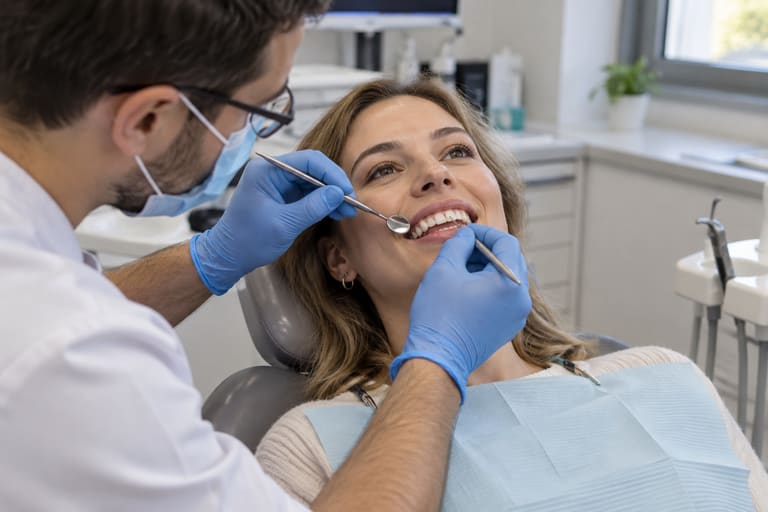
Treatment to show less gum when you smile, chosen once the reason for it has been found.
View treatment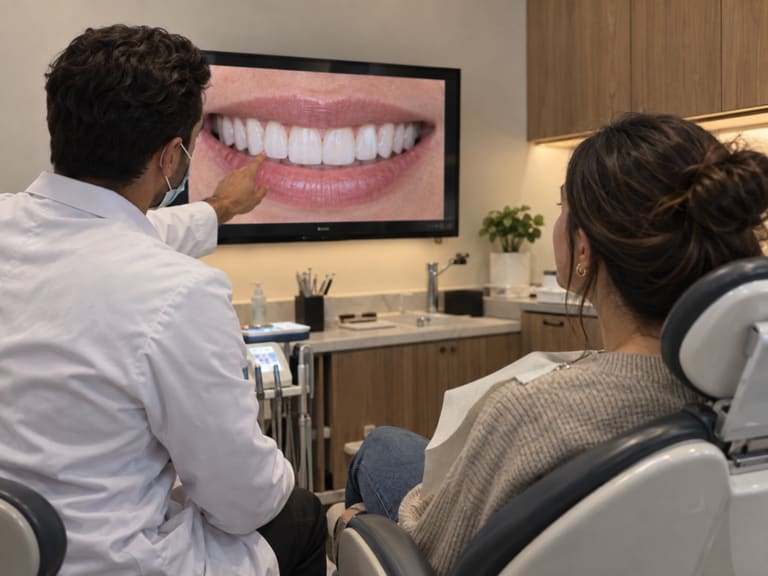
A complete change to the look of your smile with veneers or crowns, proposed only where it is clinically sensible.
View treatment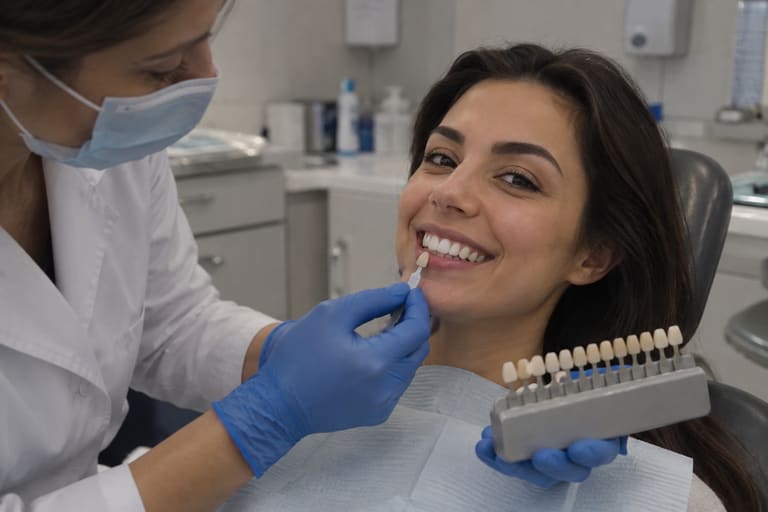
Fine porcelain shells bonded to the front of the teeth, planned one tooth at a time after an examination.
View treatmentSend your details and your coordinator will explain what comes next. You are free to stop at any point.
This page is general information, not medical advice; a treating clinician confirms your plan after assessment. ELAVIA Global coordinates care; clinical evaluation and treatment are delivered by independent, licensed partner facilities and their specialists.
ELAVIA Global coordinates international patient care. Clinical services are delivered by independently operated facilities.