
Surgery of the mouth and jaw, planned with 3D imaging and including bone work for implants where it is needed.

Oral and jaw surgery takes in operations on the teeth, the jawbones and the tissues around them. Typical examples are taking out wisdom teeth that are stuck, building up bone or lifting the sinus floor before implants, and removing cysts.
Repositioning the jaws themselves (orthognathic surgery) is a much bigger undertaking, normally combined with many months of brace treatment. Each case is judged individually, and it cannot be fitted into one short trip.
Treat this as a general outline. The dentist decides what fits only after examining you, normally with X-rays or a 3D scan, and may suggest another route or a gentler one.
A 3D scan maps the bone, teeth, nerves and sinuses, and the surgeon talks you through the procedure.
The kind of anaesthetic, any night in hospital and the recovery plan are all settled beforehand.
An oral and maxillofacial surgeon performs the procedure in an appropriately equipped clinical setting.
The surgeon checks the healing, removes stitches if necessary and books the next stage, such as implant placement.
This is usually when swelling, bruising and soreness peak. Cold packs, soft food and the medicine you were given all help.
The swelling goes down and stitches dissolve or are removed. Depending on the procedure, most people are back to their usual routine.
Bone grafts and larger operations take several months to heal completely before the next step, such as implants.
Everyone heals at their own pace, and the instructions from your clinic always come first.
Plenty of oral surgery is done with local anaesthetic, sometimes with sedation as well. Bigger operations, jaw repositioning among them, take place under general anaesthetic.
Generally not. It usually comes with brace treatment before and after and a longer recovery, so the specialist will talk with you about whether having it abroad makes sense.
That depends on the work. Veneers and crowns are normally finished within a single stay of about a week. Implants usually mean two trips several months apart, because the bone needs time to heal. Your coordinator fixes the dates after the dentist has seen your X-rays or scan.
It comes down to how many teeth are treated, which materials are used and whether any groundwork is needed first. Before you book anything you get the plan and an itemised quote in writing, and you are free to say no.
Jaw Surgery is priced individually after a specialist reviews your case. You receive a written, itemised quote before anything is booked.
From your first message to care after you are home, in eight clear stages for patients travelling in.
Step 1 / 8
Share what you would like to treat, your health background and when you hope to travel, using a short form or a message.
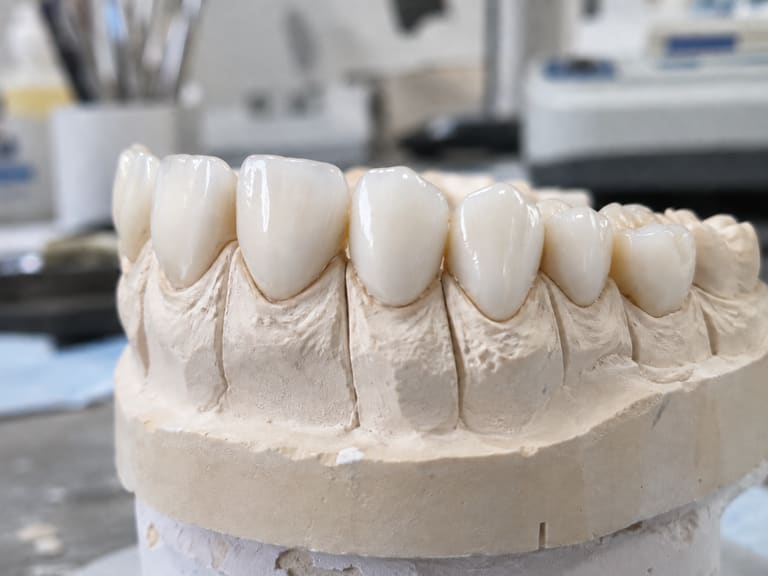
Glass-ceramic veneers known for their translucency, suggested when your bite and enamel allow only light preparation.
View treatment
Tooth-coloured resin shaped onto the teeth to mend chips, close small gaps or refine their shape; quicker than porcelain, though it does not last as long.
View treatment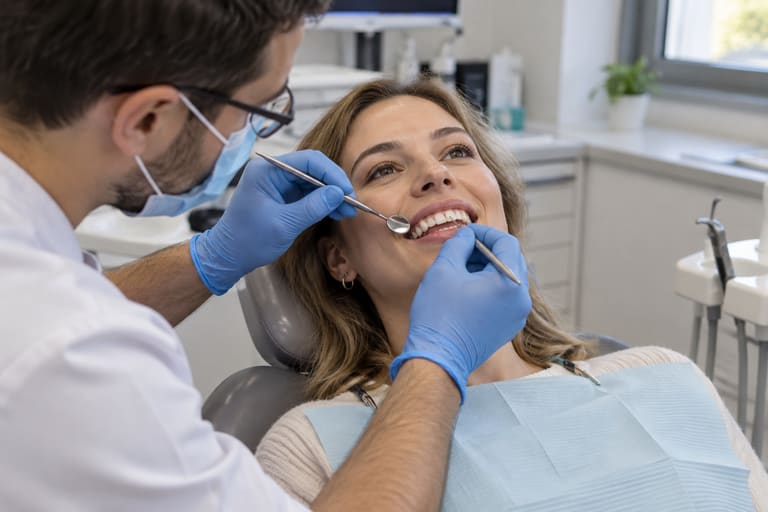
Treatment to show less gum when you smile, chosen once the reason for it has been found.
View treatmentSend your details and your coordinator will explain what comes next. You are free to stop at any point.
This page is general information, not medical advice; a treating clinician confirms your plan after assessment. ELAVIA Global coordinates care; clinical evaluation and treatment are delivered by independent, licensed partner facilities and their specialists.
ELAVIA Global coordinates international patient care. Clinical services are delivered by independently operated facilities.