
Filler used to smooth some irregularities of the nose; the effect is temporary and only adds volume, so it cannot replace surgery when the nose needs reducing.
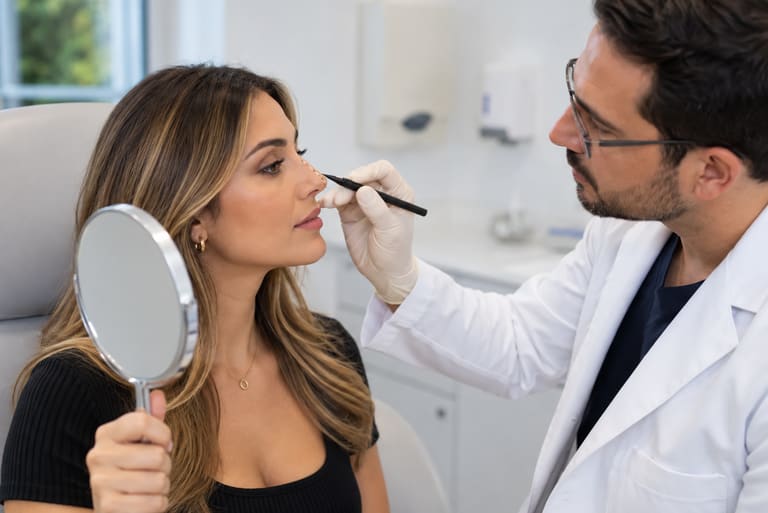
Non-surgical rhinoplasty uses tiny amounts of hyaluronic-acid filler to change how the nose looks from some angles. It can make a bump on the bridge less obvious, fill small dips or prop up a tip that droops slightly.
Because filler only adds volume, it cannot shrink or narrow the nose or help you breathe. The blood supply of the nose is delicate, which makes it one of the riskier places for filler, especially after earlier nose surgery. Careful assessment and an experienced injector are essential.
Take this as a general guide. Whether the treatment suits you is for the clinician to decide, once they have seen you in person and checked your medical history and the medicines you take.
You send photos and a few lines about what bothers you. The clinician tells you which options might help and which probably would not.
The clinician examines your face and skin, goes over your medical history and explains what to expect, where the limits are and what the risks are, before you agree to anything.
Once numbing cream has worked, the clinician places small amounts of filler along the nose, checking the profile and symmetry all the way.
You get written aftercare advice and someone to contact with questions. Depending on how long you stay, the review happens in person or by photo.
Do not touch or rub the treated area unless you are told to, and leave out make-up, alcohol, hard exercise, saunas and hot baths.
Some swelling and tenderness are common. Keep pressure off the nose, glasses on the bridge included, for as long as the clinician says.
The final shape shows as the swelling goes, and a review checks both the result and the skin.
Everyone heals at their own pace, and the instructions from your clinic always come first.
No. Filler adds volume. It can make the profile look straighter, but making the nose smaller or narrower takes surgery.
No. Breathing problems caused by how the nose is built need a medical or surgical assessment.
Sometimes, to hide small irregularities, but the risks are greater after surgery. Many clinicians wait at least a year and examine the nose carefully first.
Most injections and skin treatments fit into one appointment, but staying close by for a day or two afterwards means the clinic can see you if anything unexpected happens. Your coordinator confirms the timings and explains how the follow-up will work once you are home.
It follows the plan the clinician suggests after seeing you: which areas are treated, how much product is used and how many sessions are needed. You get a written quote before you book, and you are free to say no.
Non-Surgical Rhinoplasty is priced individually after a specialist reviews your case. You receive a written, itemised quote before anything is booked.
From your first message to care after you are home, in eight clear stages for patients travelling in.
Step 1 / 8
Share what you would like to treat, your health background and when you hope to travel, using a short form or a message.
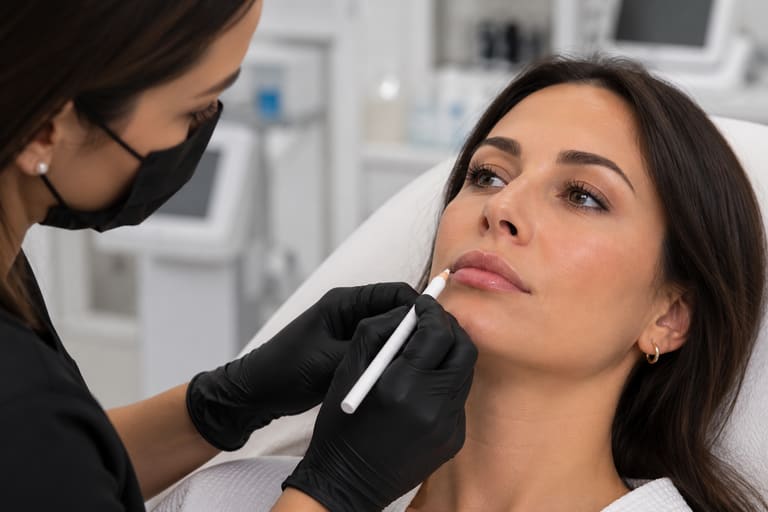
Hyaluronic acid to define the lip line, add moisture or a little volume; it can usually be dissolved, but it is still a medical injection with swelling and a risk to blood vessels.
View treatment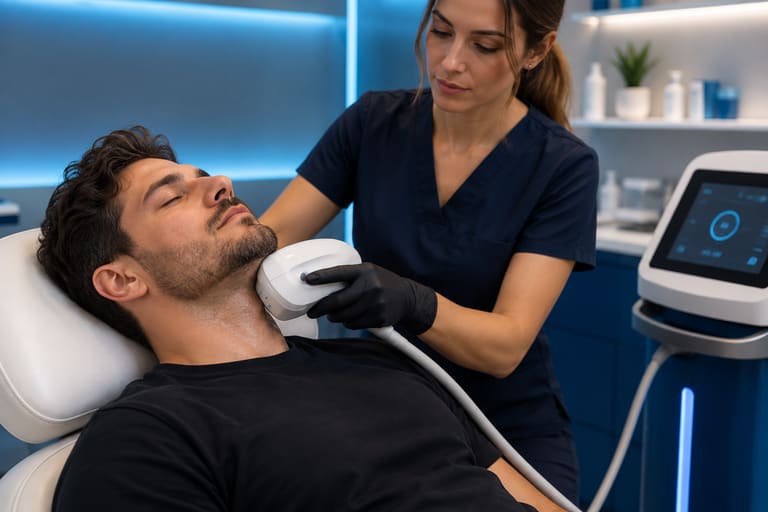
Reducing fullness under the chin with a course of fat-dissolving injections, or a talk about surgery when the skin and volume call for it; one session is rarely enough.
View treatment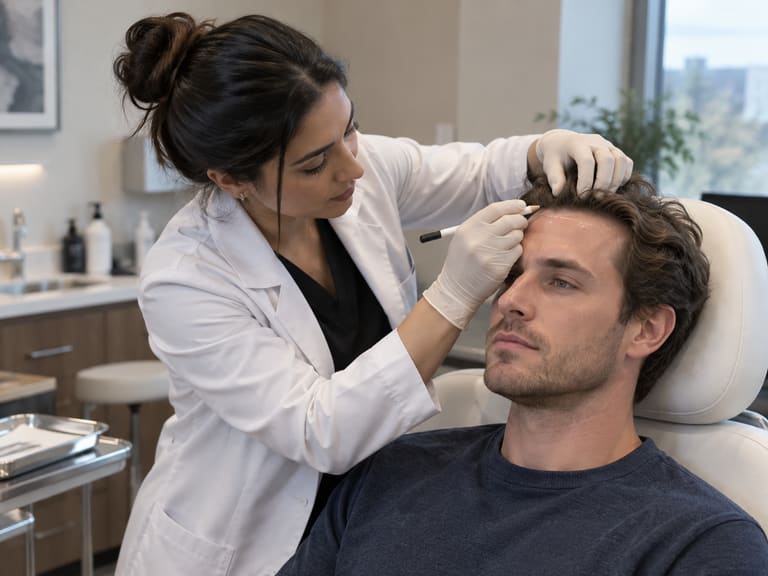
Botulinum toxin to soften lines in suitable areas of the face, planned once you have been seen in person.
View treatmentSend your details and your coordinator will explain what comes next. You are free to stop at any point.
This page is general information, not medical advice; a treating clinician confirms your plan after assessment. ELAVIA Global coordinates care; clinical evaluation and treatment are delivered by independent, licensed partner facilities and their specialists.
ELAVIA Global coordinates international patient care. Clinical services are delivered by independently operated facilities.