
Platelet-rich plasma or stem-cell treatments, considered as support for the skin or hair.
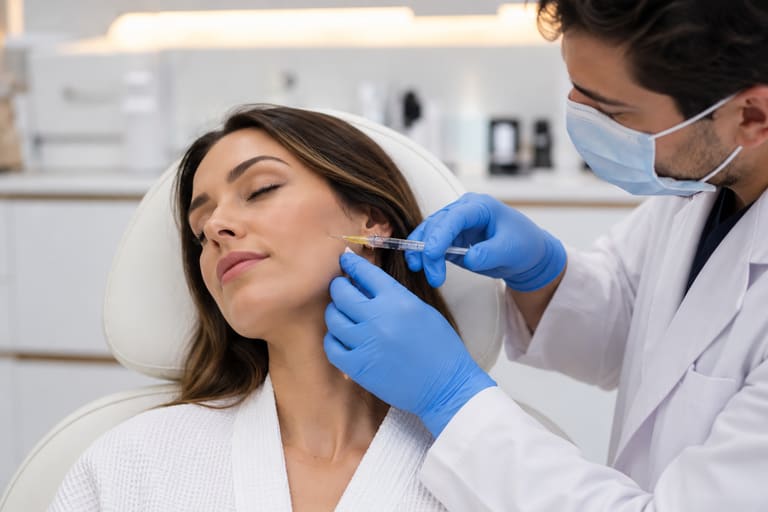
Platelet-rich plasma (PRP) is prepared from a little of your own blood. A centrifuge spins the blood to concentrate the platelets, which carry growth factors, and the plasma is injected into the scalp or skin. It is offered as a supporting treatment for some kinds of thinning hair and to improve the skin.
The evidence for PRP is mixed: some studies find it helps pattern hair loss, while results for skin are less consistent. Treatments sold as “stem cell”, often using cells from fat or products derived from them, have weaker evidence and are regulated differently from place to place. They are only discussed when the clinic can say exactly what the product is, how it is regulated and what the research shows.
Take this as a general guide. Whether the treatment suits you is for the clinician to decide, once they have seen you in person and checked your medical history and the medicines you take.
You send photos and a few lines about what bothers you. The clinician tells you which options might help and which probably would not.
The clinician examines your face and skin, goes over your medical history and explains what to expect, where the limits are and what the risks are, before you agree to anything.
A blood sample is taken from your arm and spun in a centrifuge, then the plasma is injected into the scalp or skin, normally after numbing.
You get written aftercare advice and someone to contact with questions. Depending on how long you stay, the review happens in person or by photo.
Redness, swelling, tenderness and small bruises where the needle went in are common. Leave your hair unwashed and skip make-up for as long as the clinic says.
Avoid anti-inflammatory painkillers unless the clinician approves, as they may weaken the platelet effect, and skip hard exercise and saunas for a day or two.
Any change in hair or skin comes slowly and is judged after the full course. Top-up sessions may be suggested.
Everyone heals at their own pace, and the instructions from your clinic always come first.
It does not tackle the cause of pattern hair loss. In some people it may help support the hair that is there, and it is often used together with proven medical treatment.
That depends on the product. Some use cells from your own fat, others use processed products. The clinician should explain where it comes from, what the evidence is and how it is regulated before you decide.
A usual course is three or four sessions about a month apart, then the occasional top-up. The clinician advises according to how you respond.
It follows the plan the clinician suggests after seeing you: which areas are treated, how much product is used and how many sessions are needed. You get a written quote before you book, and you are free to say no.
PRP and Stem Cell is priced individually after a specialist reviews your case. You receive a written, itemised quote before anything is booked.
From your first message to care after you are home, in eight clear stages for patients travelling in.
Step 1 / 8
Share what you would like to treat, your health background and when you hope to travel, using a short form or a message.
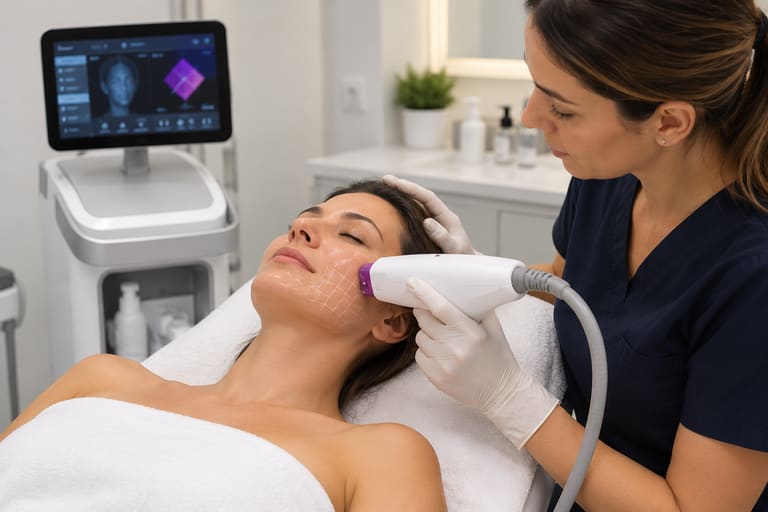
Radiofrequency energy that warms the deeper skin to encourage gentle firming over time; the change is gradual and modest, not a facelift.
View treatment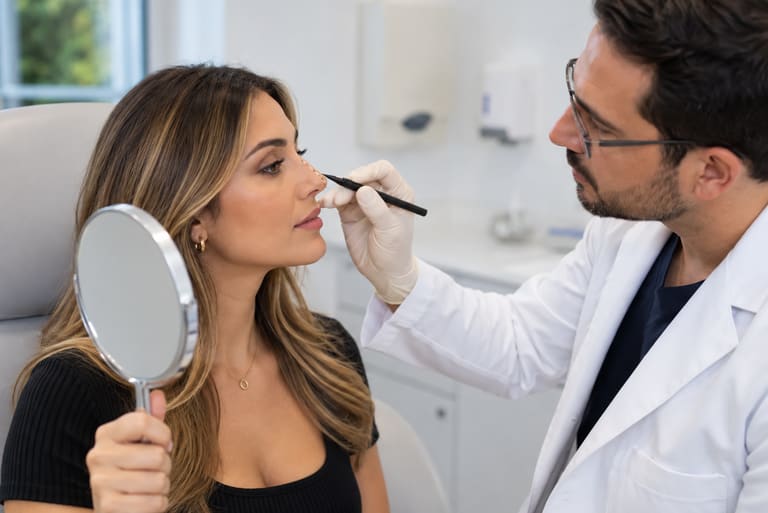
Filler used to smooth some irregularities of the nose; the effect is temporary and only adds volume, so it cannot replace surgery when the nose needs reducing.
View treatment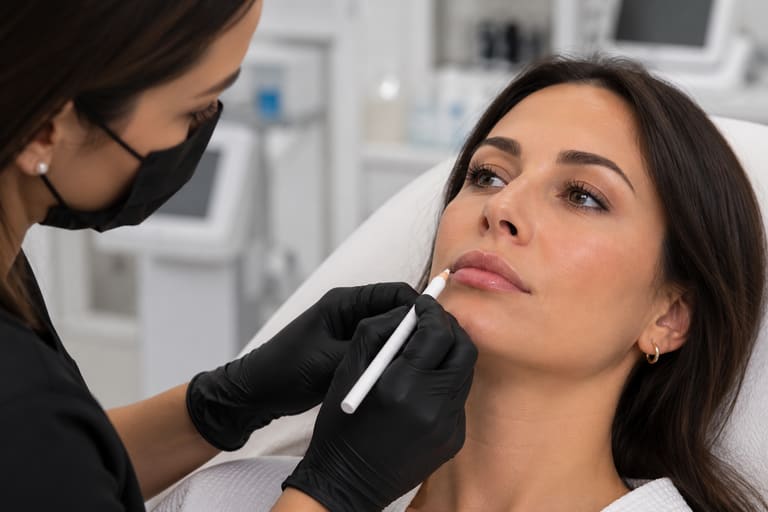
Hyaluronic acid to define the lip line, add moisture or a little volume; it can usually be dissolved, but it is still a medical injection with swelling and a risk to blood vessels.
View treatmentSend your details and your coordinator will explain what comes next. You are free to stop at any point.
This page is general information, not medical advice; a treating clinician confirms your plan after assessment. ELAVIA Global coordinates care; clinical evaluation and treatment are delivered by independent, licensed partner facilities and their specialists.
ELAVIA Global coordinates international patient care. Clinical services are delivered by independently operated facilities.