
Anaesthesia care for the operations we coordinate, from the check-up beforehand to monitoring during surgery, always planned with the surgeons.
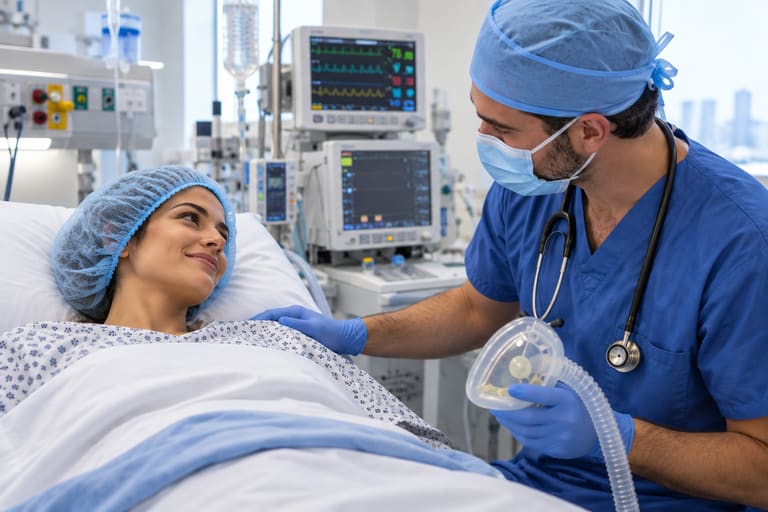
Anaesthesia lets surgery happen without pain. Depending on the operation it can be general, where you are completely asleep; regional, such as a spinal or nerve block, which numbs a large area of the body; or local with sedation, where you are calm and drowsy without being fully asleep.
The anaesthesiologist is a specialist doctor who looks after your safety during the operation. They check your health beforehand, agree the type of anaesthetic with you and the surgeon, keep watch over your breathing, heart and blood pressure the whole time, and plan your pain relief and recovery. Anaesthesia is never booked by itself; it always belongs to a planned operation.
Which anaesthetic you have, and whether the operation can safely go ahead, is the anaesthesiologist’s decision once they have gone through your medical history, medicines and test results.
Before you travel, you tell the team about your health conditions, medicines, allergies, past operations and any trouble with anaesthesia. Anything that needs tests or a specialist’s view first is picked up then.
In Istanbul, the anaesthesiologist examines you, looks at blood tests, an ECG and other checks as needed, explains the plan and the risks, and tells you when to stop eating and how to take your medicines.
On the day, the anaesthesiologist gives the anaesthetic and stays with you from start to finish, constantly watching your heart rhythm, blood pressure, oxygen level and breathing.
You come round in a recovery area with trained staff, who fine-tune pain relief and anti-sickness medicine before you go back to your room.
You are watched closely as the anaesthetic wears off. Feeling cold, shivery, drowsy or sick is common and is dealt with straight away.
After a general anaesthetic or sedation, do not drive, drink alcohol or make big decisions. Some people have a sore throat from the breathing tube.
Tiredness and difficulty concentrating can last a few days. Getting up and walking early and following the advice on preventing clots help you recover.
The surgical team tells you when it is safe to travel. Long flights soon after surgery make clots more likely, so follow their advice on timing, moving about and compression stockings.
Everyone heals at their own pace, and the instructions from your clinic always come first.
That depends on the operation. Some need a general anaesthetic; others can be done with a regional anaesthetic or sedation. The anaesthesiologist explains which options are safe for you.
With an empty stomach there is less chance of stomach contents getting into the lungs under anaesthetic. Stick exactly to the times you are given for food and drink.
Some, such as blood thinners, certain diabetes tablets and weekly weight-loss or diabetes injections, may have to be paused. Stop nothing on your own; the team gives you precise instructions.
The anaesthetic belongs to the operation it supports. Your itemised written quote for the operation shows what is included before you book.
Surgical Anaesthesia is priced individually after a specialist reviews your case. You receive a written, itemised quote before anything is booked.
From your first message to care after you are home, in eight clear stages for patients travelling in.
Step 1 / 8
Share what you would like to treat, your health background and when you hope to travel, using a short form or a message.
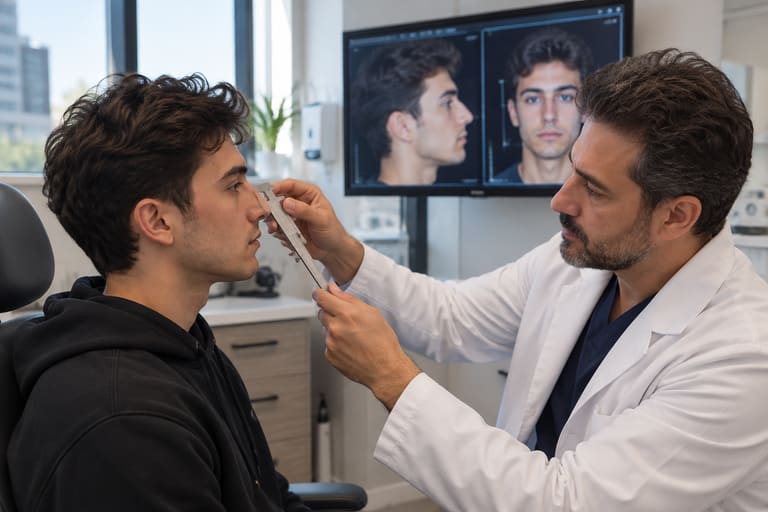
Surgery on the nose, planned after an examination, with how you breathe and how you would like it to look discussed side by side.
View treatment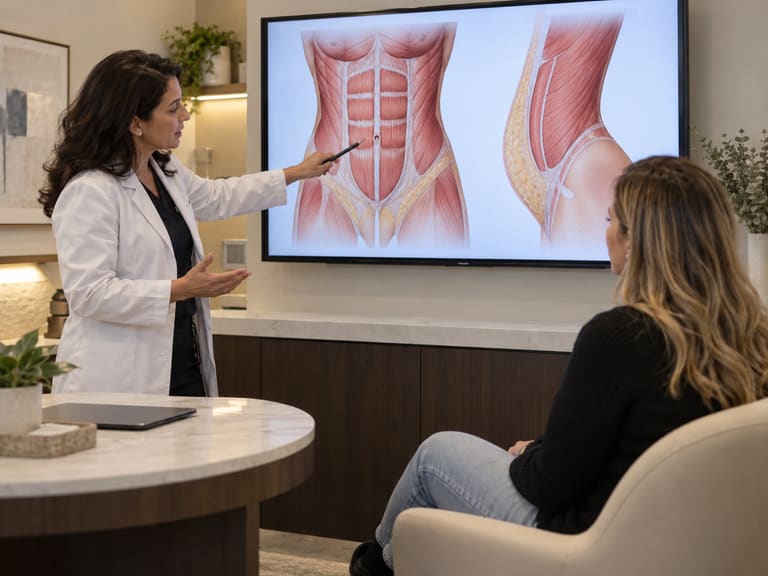
Removing loose skin from the abdomen and, if needed, repairing the muscles, often after pregnancy or a big change in weight.
View treatment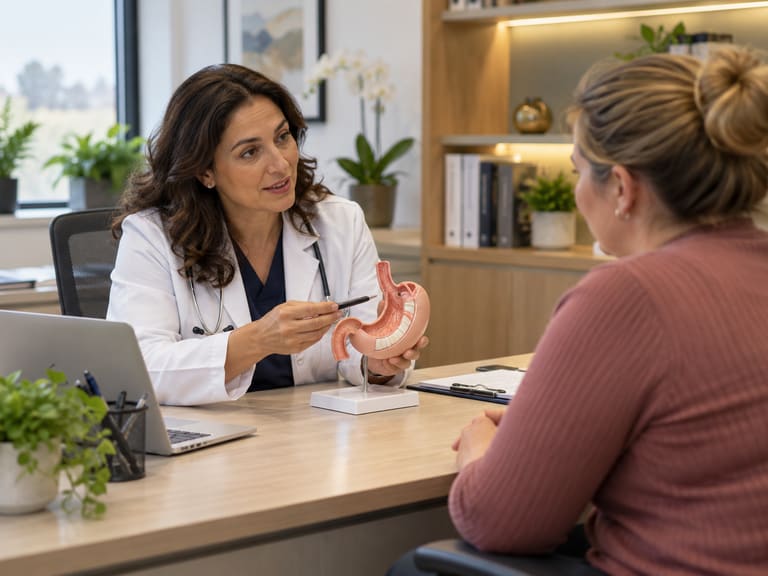
Removal of a large part of the stomach to leave a narrow tube, planned after a medical evaluation and never sold as a ready-made online deal.
View treatmentSend your details and your coordinator will explain what comes next. You are free to stop at any point.
This page is general information, not medical advice; a treating clinician confirms your plan after assessment. ELAVIA Global coordinates care; clinical evaluation and treatment are delivered by independent, licensed partner facilities and their specialists.
ELAVIA Global coordinates international patient care. Clinical services are delivered by independently operated facilities.